Rebuilding Pictures Piece by Piece
Each puzzle begins with a vibrant, character-filled scene that is broken into several pieces and scattered across the screen. The player's only task is to drag every piece onto a central grid. When a piece lands on its correct spot, it locks into place with a subtle visual cue, confirming the placement without interrupting the flow. No timers, scores, or penalties are attached to the process, which lets a child work through a picture purely at their own speed.
Artwork Built for Young Eyes
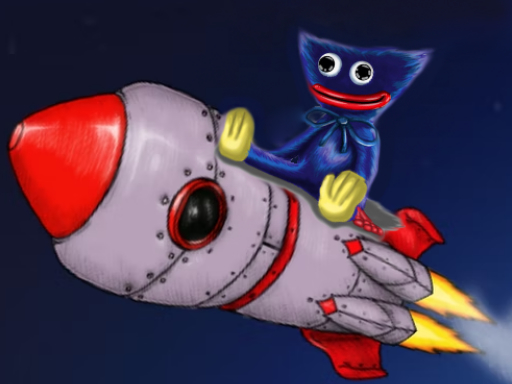
The scenes draw on a popular series of animated flying characters, each with distinct colors and designs. Backgrounds are bright, and the action stays friendly, with aerial views and simple interactions between characters. Because the graphics avoid fine detail, a young player can often tell where a piece belongs just by matching color and shape. That reduction in visual clutter is what makes the puzzle approachable for early learners rather than overwhelming.
Controls That Work on Any Device
Flying Heroes Jigsaw Challenge runs in a web browser and responds to both mouse and touch input. On a computer, a player clicks and holds a piece to move it. On a tablet or phone, the same action is a tap and drag. Large buttons and clear icons mean a child who cannot yet read can still navigate the menus. A full-screen option hides the browser window and cuts down on distractions while a puzzle is in progress.
What Children Practice While Playing
Assembling a jigsaw supports hand-eye coordination and pattern recognition. Comparing shapes and colors pushes attention to detail, and the self-paced structure encourages persistence without frustration. Since there is no wrong way to move a piece around the board, mistakes carry no penalty, and children can build confidence as each picture gradually comes together.
Starting a Puzzle
No account and no installation are required; the game opens directly in a browser. Beginners may find it easier to start with puzzles that have fewer pieces. Looking for corner and edge pieces first is a common approach that gives the rest of the image a frame to build against. Short breaks help maintain focus, and the goal is to enjoy the activity rather than rush through it.



Comments
0 comments