Style Quest: Ellie's Costume Challenge

High Pixel Studio
1718208000
2026-09-30
Fashion Imagination Roleplay

Reviews

Style Quest: Ellie's Costume Challenge stands out from typical dress-up games by tying clothing selections to superpowers and mission outcomes. The result is a light cause-and-effect loop that rewards curiosity rather than correct answers. Its bright visuals and simple controls suit young players, and the absence of penalties makes it a low-stress creative tool. The main limitation is that the input does not detail progression, saving, or platform specifics, so those looking for structured goals may find it open-ended.

About This Game

Mission Prep and Player Choices

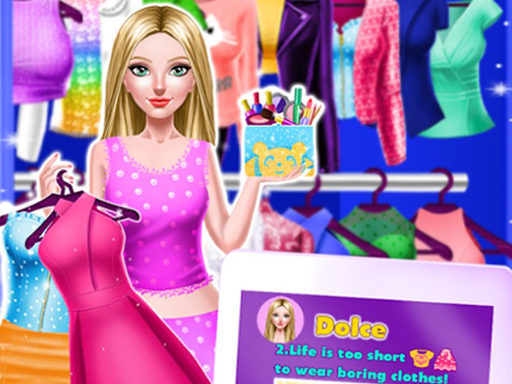
In Style Quest: Ellie's Costume Challenge, players prepare Ellie for a series of missions. The process begins with selecting a hairstyle, then moves through costumes, boots, and accessories. After the outfit is complete, players choose a superpower—options include flight, invisibility, or enhanced strength. Each combination of clothing and ability shapes how Ellie approaches her mission, so the final look is not just cosmetic; it influences the outcome. The game presents no wrong answers, which keeps the focus on experimentation rather than scoring.

How Customization Drives Discovery

The interface uses simple clicks or drags, making it accessible for younger children. Because there are many possible outfit and power combinations, mixing unexpected pieces often leads to the most interesting reactions. The game rewards curiosity by showing different responses based on the final outfit, adding a layer of discovery to each session. This cause-and-effect loop teaches players that different tools suit different situations, a lesson that extends beyond the screen.

Visual Style and Tone

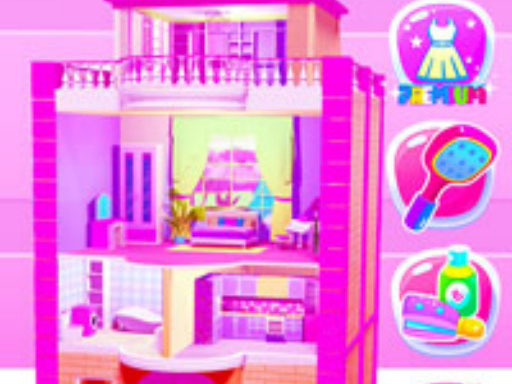
The world of Style Quest is bright and cheerful, with friendly characters and colorful backgrounds. Ellie is designed to be relatable, with expressive features that react to the player's choices. The art style avoids intense or frightening imagery, keeping the mood upbeat and encouraging. This visual approach reinforces the idea that creativity is fun and rewarding, and it helps maintain focus on positive self-expression.

Replay and Open-Ended Play

With many outfit and power combinations available, players can return to Style Quest: Ellie's Costume Challenge multiple times without repeating the same experience. The game does not penalize for trying new looks, so children feel free to explore without fear of failure. This open-ended design supports extended play sessions and keeps the content feeling new. Parents can feel good about a game that promotes thoughtful decision-making and artistic exploration.

Editorial Notes

Compatibility

• OS: Windows 10+, macOS 11+, iOS 14+, Android 10+
• Browsers: Chrome 100+, Safari 15+, Edge 100+, Firefox 100+
• Not compatible with Internet Explorer
Tested on real devices ✅ works as expected
Faq

What age group is Style Quest: Ellie's Costume Challenge designed for?
The game is designed for young children. Its simple click-and-drag interface, bright visuals, and lack of penalties for wrong choices make it accessible to early elementary ages. The content focuses on creativity and cause-and-effect, avoiding intense or frightening themes.
Do I need to install anything to play Style Quest: Ellie's Costume Challenge?
The input does not specify platform or installation requirements. Based on the described interface—simple clicks or drags—it is likely a browser-based or mobile game, but no official platform details are provided. Check the official store listing for accurate system requirements.
Can players save their favorite outfit and superpower combinations?
The input does not mention a save feature. The game emphasizes experimentation and replay, so players can recreate looks manually each session. Without confirmation of a save option, assume that combinations are not stored between play sessions.
Is there a scoring system or way to fail a mission in Style Quest: Ellie's Costume Challenge?
No. The game explicitly states there is no wrong way to style Ellie and does not penalize for trying new looks. Instead of scores, different outfit and power combinations lead to different reactions, making the experience about discovery rather than winning or losing.
How many superpowers can Ellie use in Style Quest: Ellie's Costume Challenge?
The input lists flight, invisibility, and enhanced strength as examples, but does not confirm the total number. Players choose one superpower per mission after completing the outfit. The exact roster may vary, so treat the listed abilities as representative rather than exhaustive.
Does Style Quest: Ellie's Costume Challenge include any educational content?
The game teaches cause and effect through its outfit-and-power system: different combinations produce different outcomes. It also encourages decision-making and artistic exploration. While not a formal curriculum, it supports confidence in personal choices and gentle problem-solving.

Comments

0 comments
U
User
Loading comments...
// ===== Favorite ===== var isFavorited = false; var isToggling = false; function showToast(message, type) { type = type || 'success'; let toast = document.querySelector('.toast-message'); if (!toast) { toast = document.createElement('div'); toast.className = 'toast-message'; document.body.appendChild(toast); } toast.textContent = message; toast.className = 'toast-message ' + type; setTimeout(function () { toast.classList.add('show'); }, 10); setTimeout(function () { toast.classList.remove('show'); }, 3000); } async function checkFavoriteStatus() { var btn = document.getElementById('favoriteBtn'); if (!btn) return; var gameId = btn.dataset.gameId; if (typeof apiService === 'undefined' || !apiService.isLoggedIn()) return; try { var fav = await apiService.checkFavorite(gameId); isFavorited = fav; updateFavoriteButton(); } catch (e) { console.error('Check favorite status error:', e); } } function updateFavoriteButton() { var btn = document.getElementById('favoriteBtn'); if (!btn) return; if (isFavorited) { btn.classList.add('favorited'); } else { btn.classList.remove('favorited'); } } async function toggleFavorite() { var btn = document.getElementById('favoriteBtn'); if (!btn) return; var gameId = parseInt(btn.dataset.gameId); if (typeof apiService === 'undefined' || !apiService.isLoggedIn()) { showToast('Please login first', 'warning'); return; } if (isToggling) return; isToggling = true; try { var result; if (isFavorited) { result = await apiService.removeFavorite(gameId); } else { result = await apiService.addFavorite(gameId); } if (result.code === 0) { isFavorited = !isFavorited; updateFavoriteButton(); showToast(isFavorited ? 'Added to favorites' : 'Removed from favorites', 'success'); } else if (result.code === 401) { showToast('Please login first', 'warning'); } else if (result.code === 400) { await checkFavoriteStatus(); showToast(result.msg || 'Operation failed', 'error'); } else { showToast(result.msg || 'Operation failed', 'error'); } } catch (e) { console.error('Toggle favorite error:', e); showToast('Network error, please try again', 'error'); } finally { isToggling = false; } }