What Players Actually Do
Each room in the castle is filled with misplaced items—toys, books, clothes, and decorations. Players drag stray objects to their proper spots: a sock goes to the laundry basket, blocks get sorted into bins, and plush animals are arranged on shelves. Tapping a bookshelf straightens its contents, and swiping a cloth across a dusty mirror cleans it. The game uses simple point-and-click or tap controls, so even young children can start without reading long instructions.
How the Game Guides Without Nagging
Visual cues do the teaching. A glowing outline or subtle sparkle marks items that are ready to be handled. When a task is completed, a satisfying visual or sound effect confirms progress. The interface stays uncluttered—pause and restart buttons sit out of the way—so the focus remains on the room itself. There are no time limits, no penalties for mistakes, and no complex menus to navigate.
Progression Through Themed Spaces
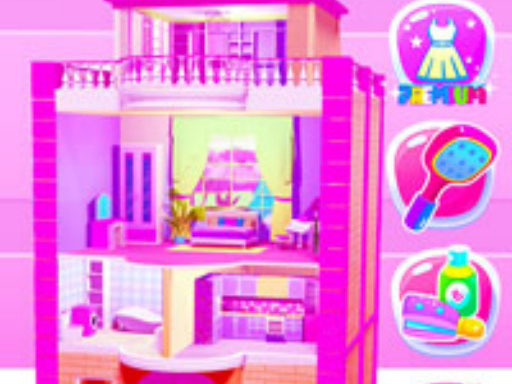
The castle contains several distinct rooms, each with its own organizing theme. The bedroom might involve making the bed and putting away clothes. The playroom centers on sorting toys into labeled bins. The kitchen asks players to wipe counters and arrange pretend food. As players advance, rooms become more detailed, adding more objects to manage. This gradual increase in complexity keeps the activity fresh without becoming frustrating. Success in one room unlocks the next, revealing more of the castle's interior.
Why the Low-Pressure Design Matters
Without timers or failure states, children work at their own pace. The game associates cleaning with positive outcomes—a sparkling room, a cheerful animation—rather than with chores. Following on-screen hints in sequence builds problem-solving skills and attention to detail. Parents looking for age-appropriate content will find a light, encouraging tone suitable for family playtime.






Comments
0 comments