A Fanmade Musical Showdown
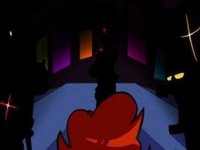
Rhythm Clash with Creator Beat Game is a fanmade rhythm game built as a tribute to a well-known game creator. The premise is straightforward: players control a character and face off against the creator in a musical showdown. The entire experience centers on one original song written by the fan community, so the game's identity is tied to that single track rather than a broad music library. It is an open-source project, meaning the code and assets are publicly available for others to inspect or build upon. The game is designed to be family-friendly and contains no violent content, making it suitable for all ages.
How the Note-Matching Works
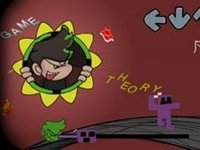
Gameplay follows a chart that maps every note to a specific moment in the song. Arrow symbols appear on screen, and players press the matching arrow keys on their keyboard as each symbol reaches the hit point. Visual cues anticipate upcoming notes, giving players time to read patterns before they arrive. Hitting every note correctly is required to reach the end of the song and win. Missing several notes in a row ends the run, and the player must restart from the beginning. This all-or-nothing structure means accuracy matters more than speed, and the single-song format encourages repeated attempts to learn the chart.
Presentation and Accessibility
The visual style draws from classic rhythm games, with clear note indicators and a simple interface that keeps attention on the music. Because the control scheme uses only the arrow keys, there is no controller setup or complex input to learn. Beginners can focus on timing while experienced players push for cleaner runs. The fan community contributed to development, making the project a collaborative tribute to both the rhythm genre and the creator's legacy.
Building Consistency Through Practice
Since the game uses one song, improvement comes from familiarity. Listening to the track outside the game helps internalize its rhythm and section changes. Repeating a troublesome passage until it feels comfortable is more effective than restarting the whole song each time. Staying relaxed and maintaining a steady pace reduces missed inputs, especially during faster sections. Starting with slower parts builds confidence before tackling the full chart at speed.






Comments
0 comments