Setting Up the Perfect Space
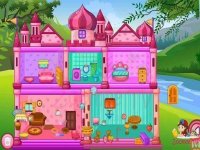
Players begin by selecting furniture pieces from a menu to build a cozy corner for their princess. Mirrors, chairs, and tables can be arranged freely using simple drag-and-drop controls. This step encourages spatial thinking as children decide where each item fits best. The process is intuitive, allowing young players to focus on creating a space that feels personal and inviting.
Makeup and Hairstyle Choices
Once the room is ready, attention turns to the princess herself. Players choose colors for eyes, lips, and cheeks from a palette of gentle, child-friendly shades. After makeup, a variety of hairstyles become available, from braids to loose curls. Small accessories like tiaras or ribbons can be added to complete the look. Each selection changes the princess's appearance, giving immediate visual feedback.
Wardrobe and Outfit Selection
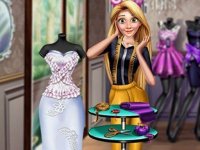
The final step involves dressing the princess. A wardrobe filled with dresses, tops, and skirts offers many combinations. Players can mix and match pieces to create unique styles. The game does not impose right or wrong choices, so children feel free to experiment. This open-ended approach supports creative decision-making without pressure.
Visual Appeal and Atmosphere
Bright, cheerful colors define the game's look. Characters have friendly expressions, and the furniture uses soft shapes that feel welcoming. The overall design avoids any intense or scary elements, making it suitable for young audiences. The calm pace and positive visuals help create a relaxing play experience.
Controls Designed for Young Hands
All interactions use simple touch or mouse inputs. Dragging furniture, tapping color swatches, and swiping through outfit options are straightforward. On-screen prompts guide each step, so even first-time players can navigate without frustration. This accessibility ensures that the focus stays on creativity rather than learning complicated controls.






Comments
0 comments