Core Puzzle Loop
Players interact with a grid filled with colorful food tiles. The primary action involves selecting two adjacent items to exchange their positions. When three or more identical foods line up horizontally or vertically, they disappear from the board. This action gradually fills empty spaces and progresses the level. The mechanic is straightforward, yet each stage introduces new arrangements that require thoughtful planning.
Visual Style and Theme
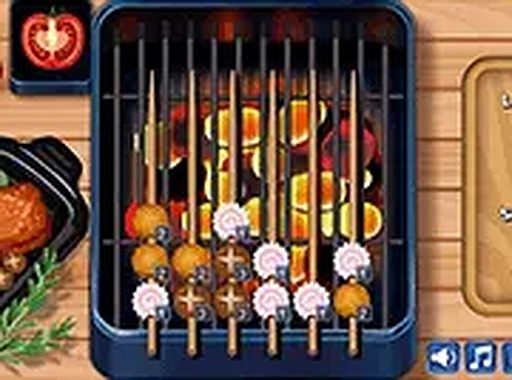
The game adopts a bright and inviting aesthetic centered around outdoor cooking. Food items appear as polished, recognizable icons that appeal to a wide audience. The background and interface elements reinforce the cookout atmosphere without overwhelming the puzzle board. This thematic consistency makes the experience feel cohesive and pleasant for extended play.
Accessibility and Platform
Grill Party Tile Swap runs directly in a web browser, eliminating the need for installation or account creation. It is optimized for touch controls on smartphones and tablets, while also supporting mouse clicks on desktop computers. A full-screen option helps players focus on the grid. This design makes it suitable for short breaks or longer sessions.
Difficulty Curve
Early levels introduce the basic swap-and-match concept with generous board layouts. As players advance, the grid becomes more constrained, requiring careful move planning. Some stages may include obstacles or special tiles that alter the matching strategy. The gradual increase in complexity ensures that newcomers can learn at their own pace while experienced players find sustained challenge.
Strategic Depth
Success depends on recognizing patterns and anticipating the board state after each swap. Creating matches of four or more items can clear larger sections, which helps fill empty spaces more efficiently. Players must balance short-term gains with long-term board management. This layer of decision-making elevates the experience beyond simple tile swapping.



Comments
0 comments